Inflation falls to 5.47% in July: the target is still far away
 Foto: Diario Libre
The cost of living keeps rising, but more and more slowly. The Central Bank reported that annual inflation fell to 5.47% in July, half a percentage point less than June’s 5.67%, while the monthly CPI change was just 0.19%.
It is the signal the monetary authority had been waiting for: the beginning of convergence toward its 4.0% ± 1.0% target, in a context where price expectations remain anchored.
The figure that matters: core inflation
The indicator economists watch most has already crossed the door of the target range. Core inflation — which excludes volatile foods, fuels and regulated services — stood at 4.96% year over year, within the BCRD objective. In practice, it means the underlying price pressure is normalizing.
Why it fell: transportation pulled the string
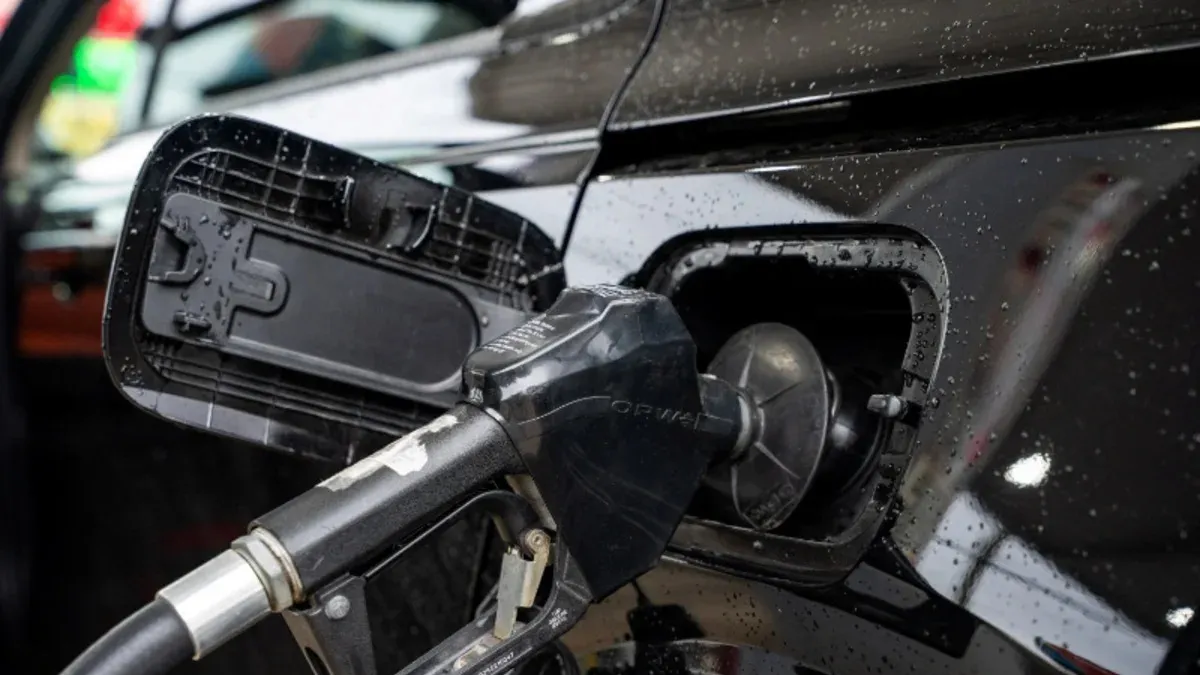
- The Transport group fell -0.14%, driven by cuts in regular and premium gasoline, diesel and LPG ordered by the MICM. Even cars dropped, thanks to the peso’s appreciation against the dollar.
- On the other side, Food and beverages rose 0.23%: fresh chicken, potatoes, rice and yams pushed the most. Peppers, eggs, lemons and tomatoes, however, went down.
- Restaurants and hotels was the most expensive group of the month: 0.54%, driven by the daily plate and sides.
- Household furniture (0.45%) and health (0.38%) also added pressure.
The other reading: by region and by wallet
Official data show inflation does not hit everyone equally. The East region was the most affected in July (0.32%), due to chicken and rent; the Cibao was the most contained (0.10%), thanks to gasoline. And by income quintile, the poorest households felt 0.18%, almost twice as much as the richest (0.13%) — a reminder that regressive inflation remains an unresolved issue, as opposition economists have warned.
The key figure
5.47% annual inflation. Still above the ceiling of the target, but falling. The next data point — August’s — will tell whether July was a breather or the start of a trend.