Tips
2026 school year: tips to help your kids go back to school prepared
The school year starts on August 24 with more than two million students. Sleep routines, an organized backpack and conversations about school life are key to a smooth return.
Independent digital journalism, economy and analysis
The school year starts on August 24 with more than two million students. Sleep routines, an organized backpack and conversations about school life are key to a smooth return.
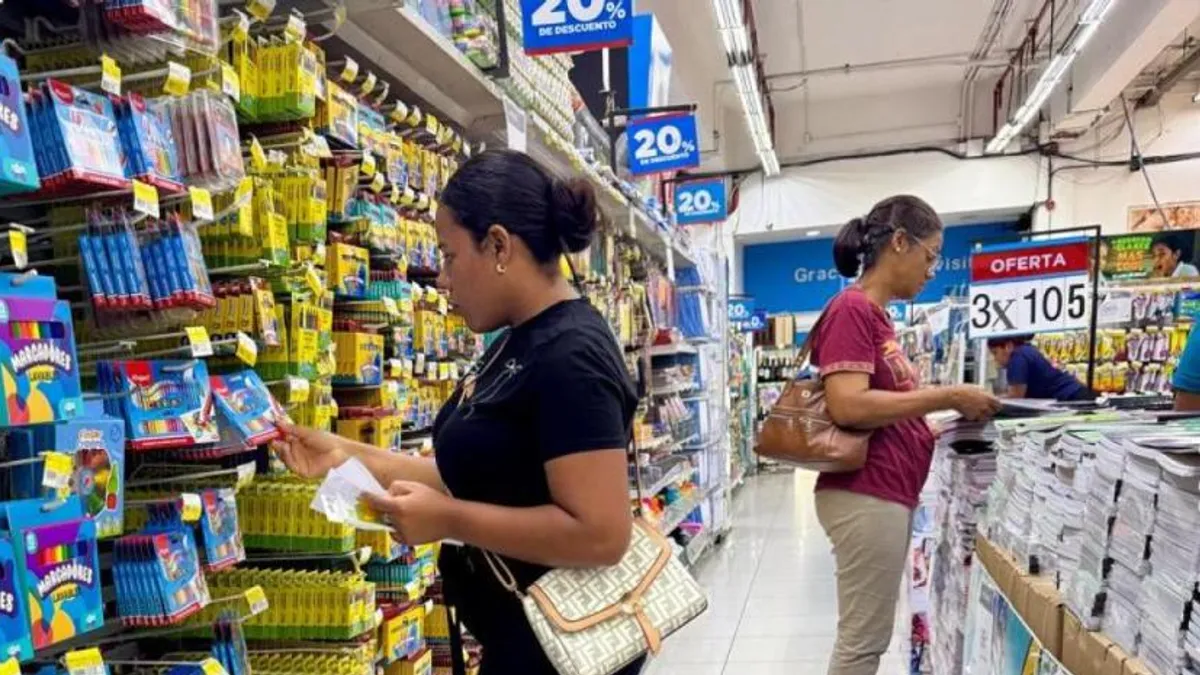
With tuition hikes of up to RD$8,000 and supply lists of RD$12,000 to RD$15,000, a budget and staged purchases keep back-to-school from becoming debt.
Vishing, fake messages and pyramid schemes: recent cases in the DR and the Superintendency of Banks’ advice show how scammers operate and how to protect yourself.

Coffee, delivery, subscriptions and "little things" can add up to thousands of pesos a month. How ant expenses are calculated and how to stop them without suffering.
Scheduling an automatic transfer on payday is the most effective way to save: it does not depend on your willpower but on a systemic habit.

Using the credit card wisely can give you free financing days and rewards. With these habits you avoid falling into over-indebtedness.
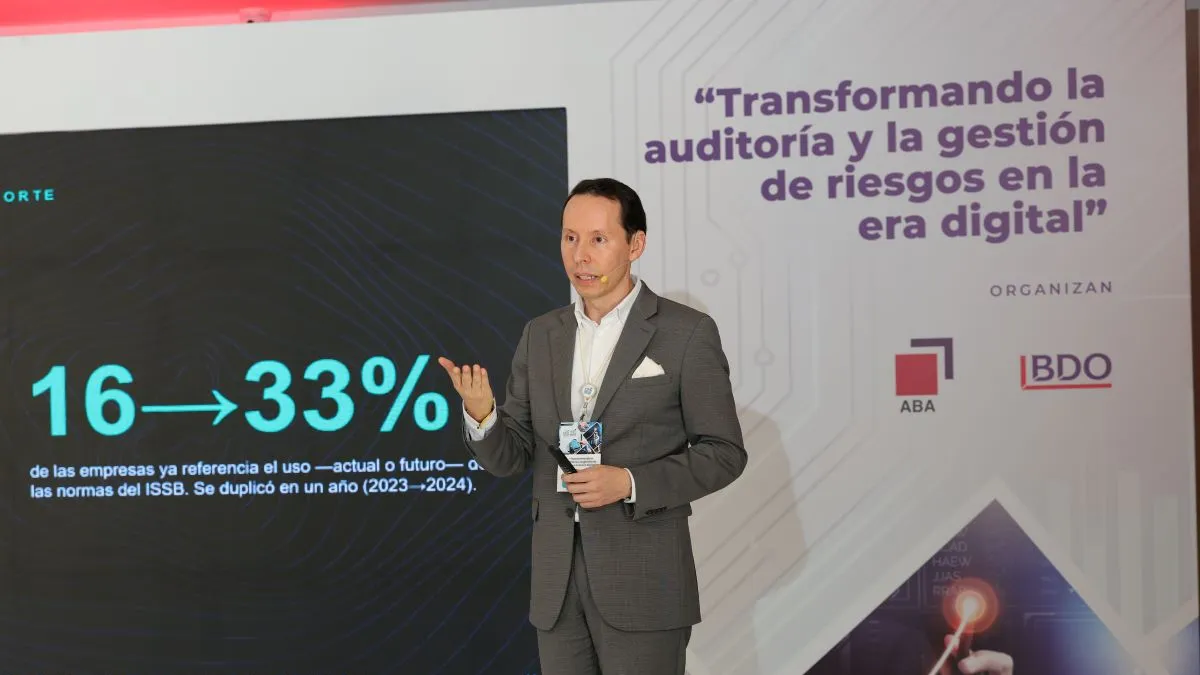
Not all debt is equal: debt that buys an asset or education can build wealth; debt that finances consumption eats your income. Learn to tell them apart.
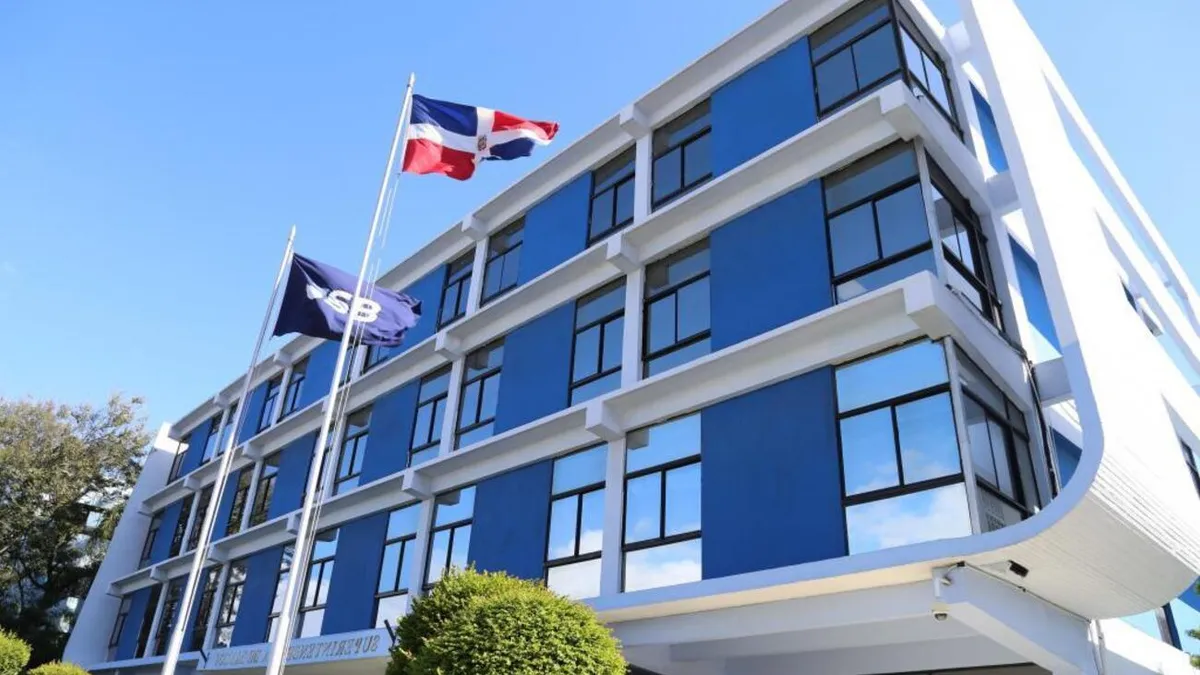
The envelope method distributes monthly income into physical or digital categories and has helped millions control spending. How to apply it in your home.
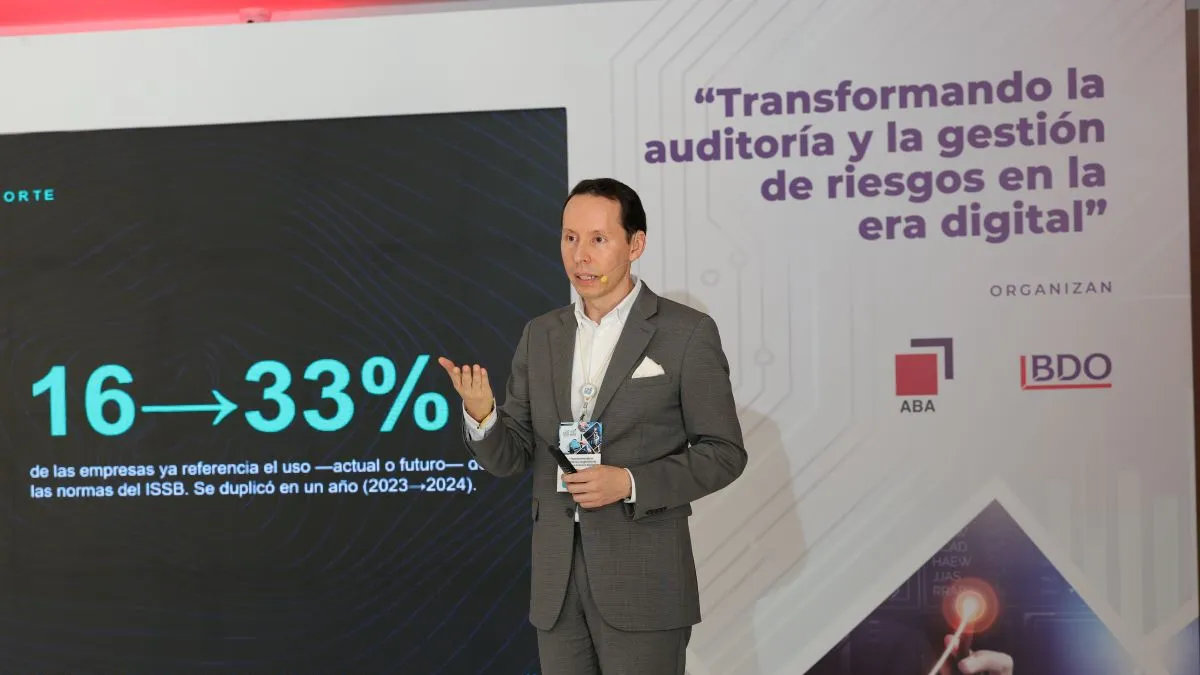
Dominican mutual funds allow investing from small amounts with professional management. How they work, how much they yield and their differences from certificates.

Money is one of the main causes of conflict in couples. These five financial conversations, done in time, avoid most fights.
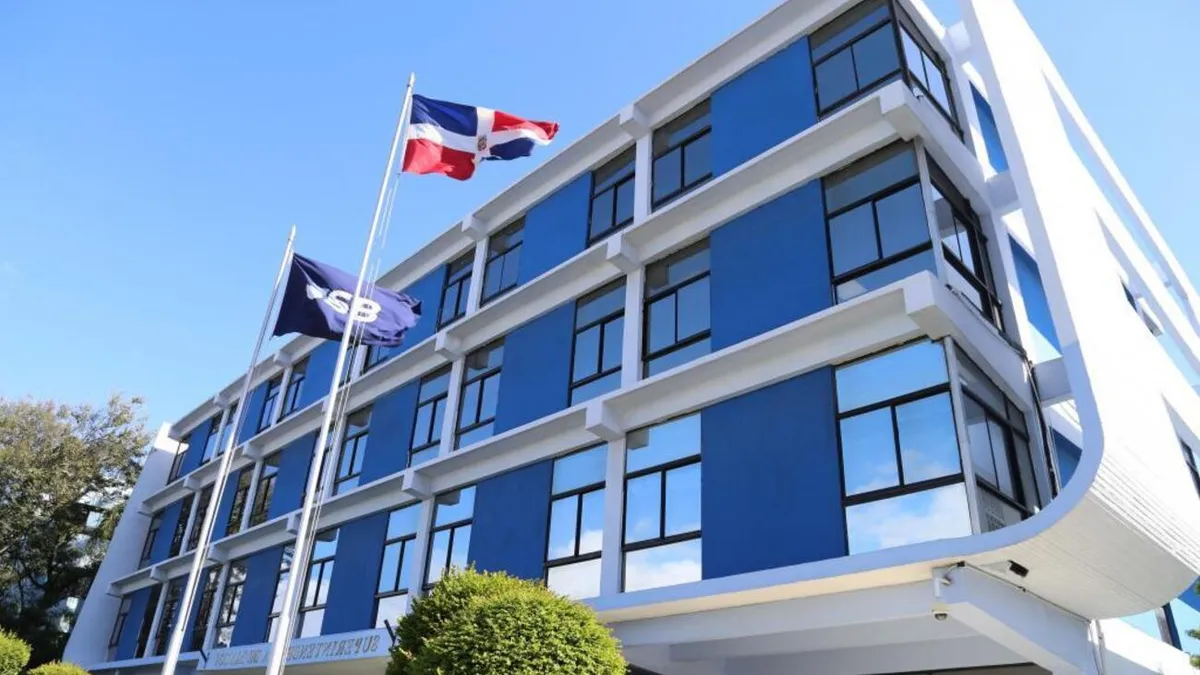
A university degree costs millions of pesos in the DR. Starting to save early, with accounts and certificates, drastically reduces the monthly effort.
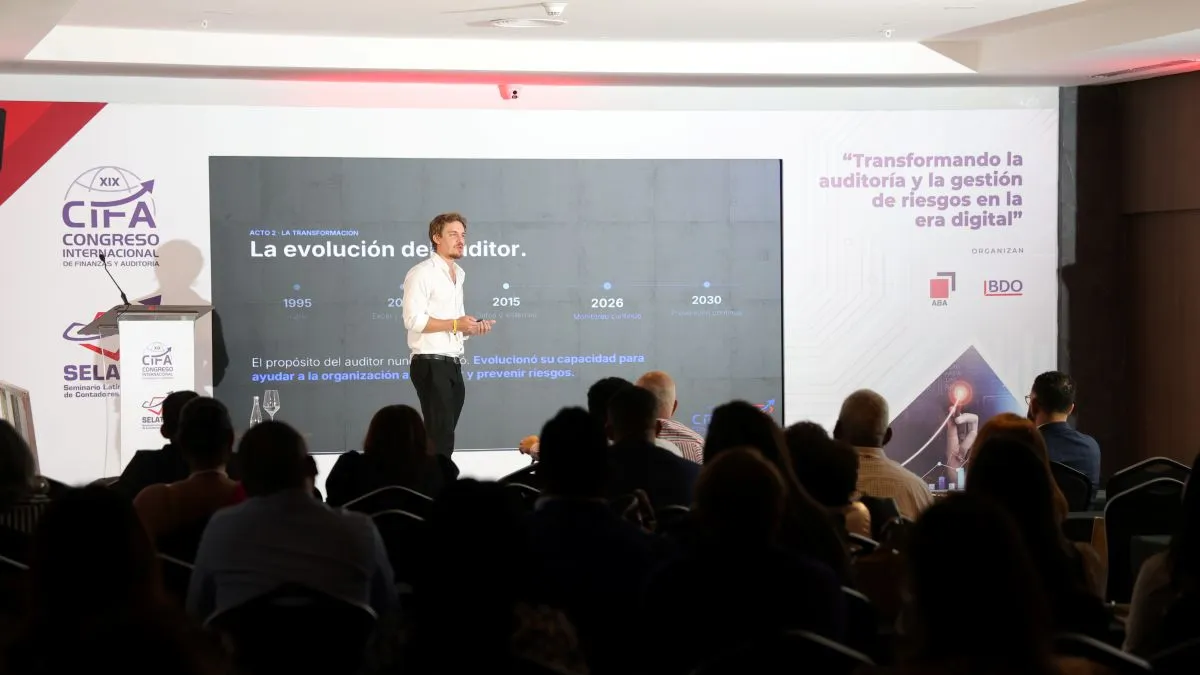
Cutting expenses has a limit; increasing income does not. Seven realistic ways to build a second income in the Dominican Republic, with or without much capital.

Grocery shopping is one of the biggest household expenses in the DR. With planning, a list and price comparison you can save up to 30%.
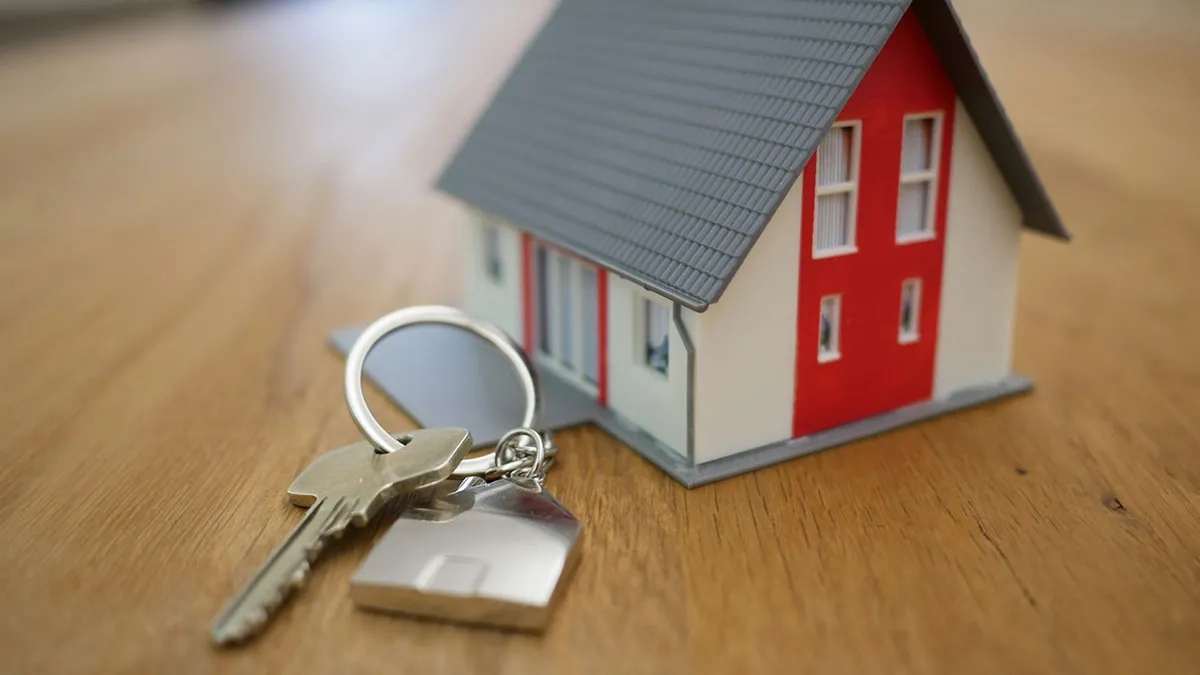
With a minimum wage of RD$27,988.80 and down payments of 10% to 20%, saving for a first home requires planning, budgeting and consistency.
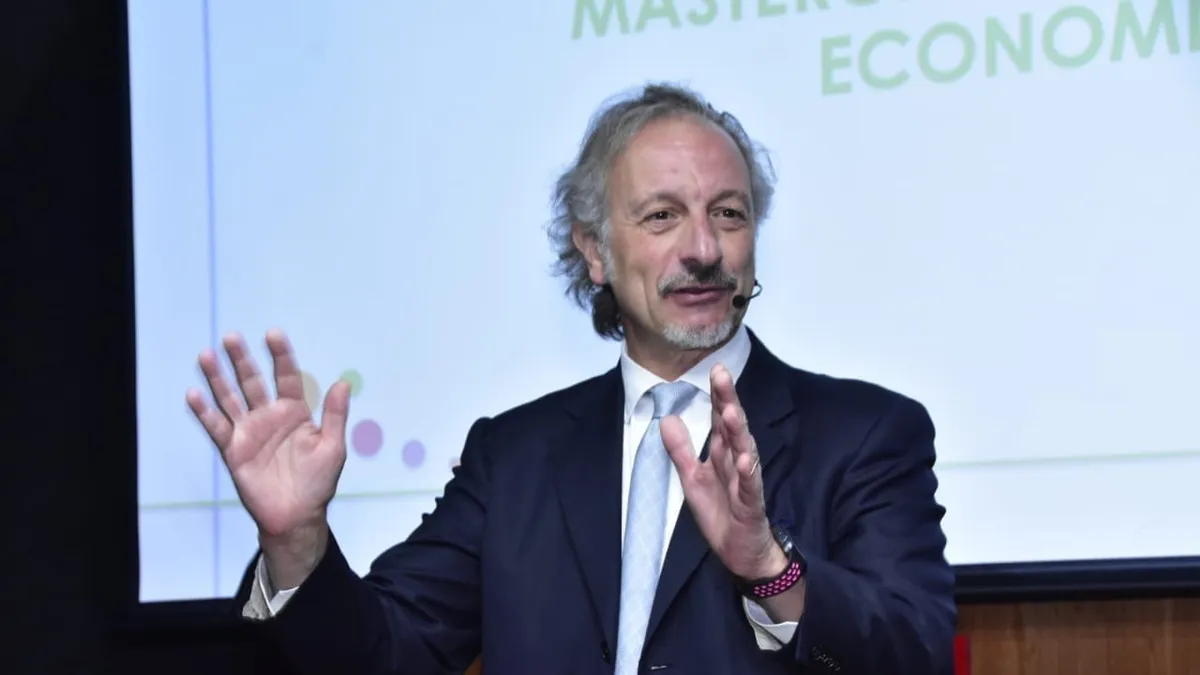
Withdrawing 30% of pension fund assets would mean working three more years to access the same pension, experts warn.

Vishing combines voice and phishing: scammers impersonating the bank ask for passwords by phone. The Banking Superintendency explains how to avoid it.
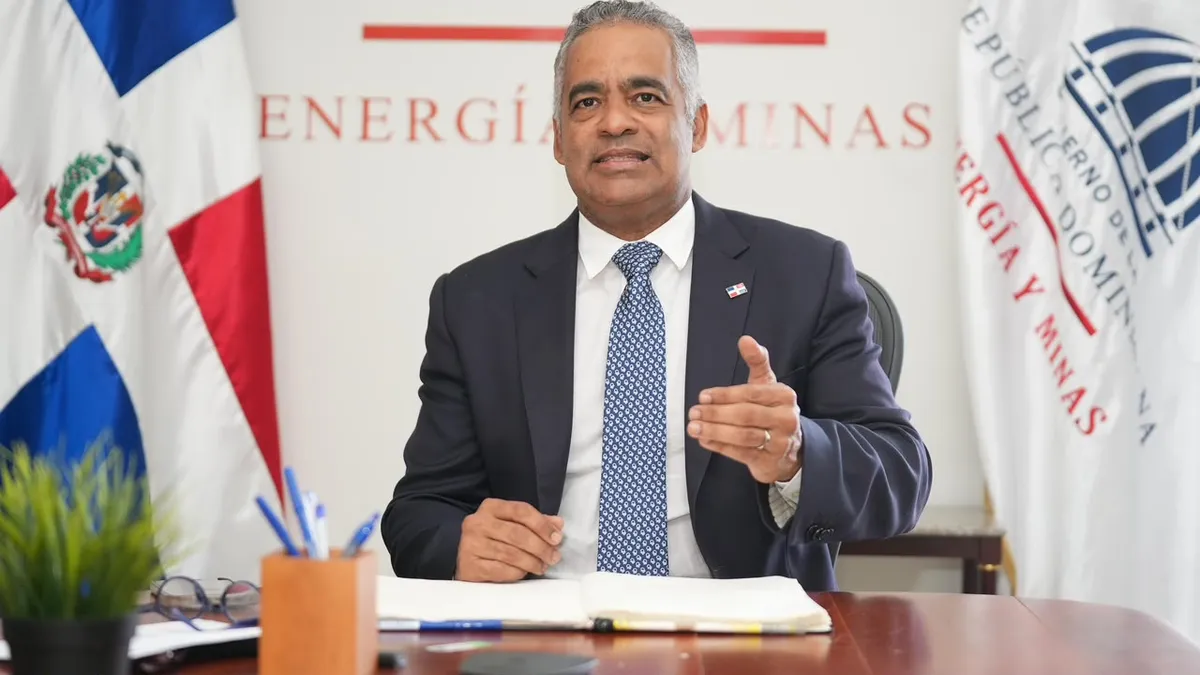
With demand records of up to 4,330 megawatts and heat indexes of 48 degrees, saving energy at home relieves the wallet and the system.
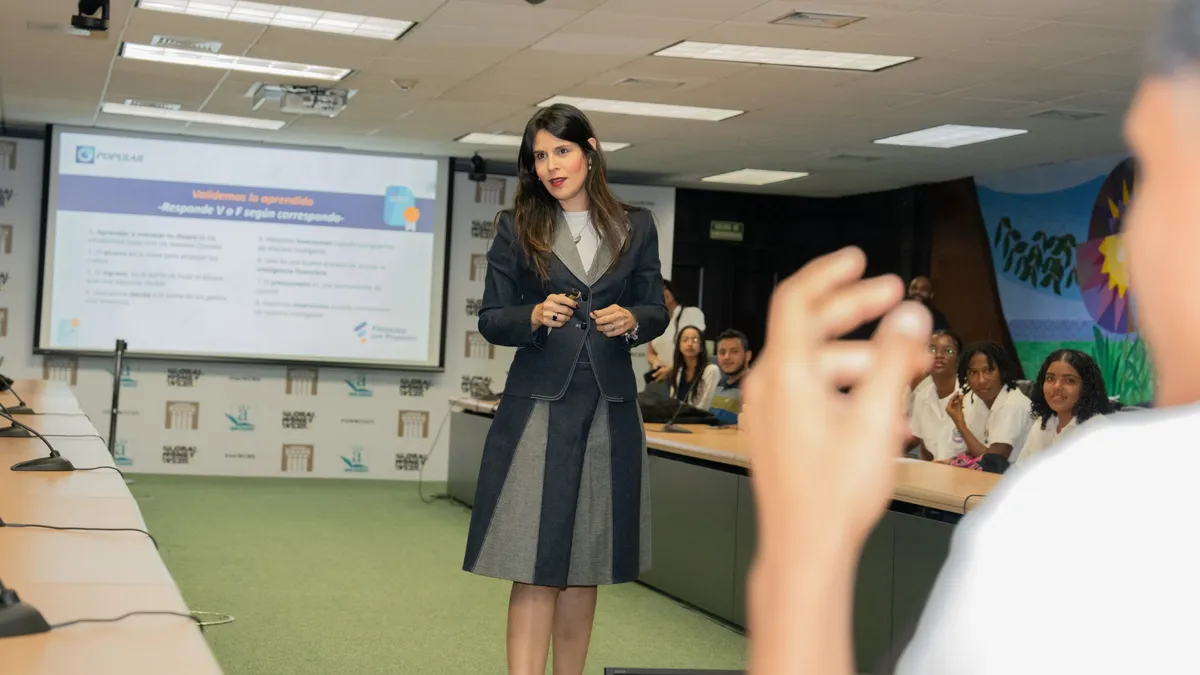
Economic and Financial Week 2026 brought financial education talks and workshops to children and youth in Santo Domingo, Santiago and Baní.

When canceling a certificate of deposit early, the penalty can apply to the principal and not just the interest. It is worth reading the contract.
Credit bureaus have operated in the Dominican Republic since 1996 and benefit both banks and customers: loans approved in hours and lower rates.
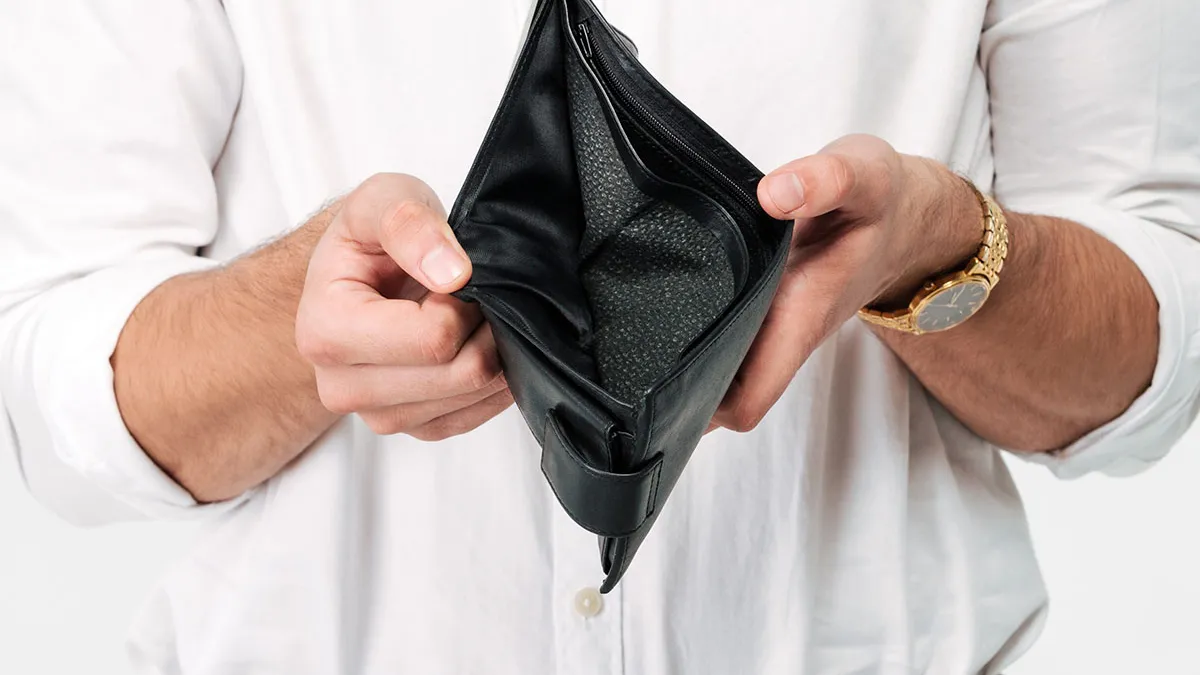
Informal loans can charge more than 20% monthly interest and double the debt. Getting out is possible with method, starting with the smallest debt.
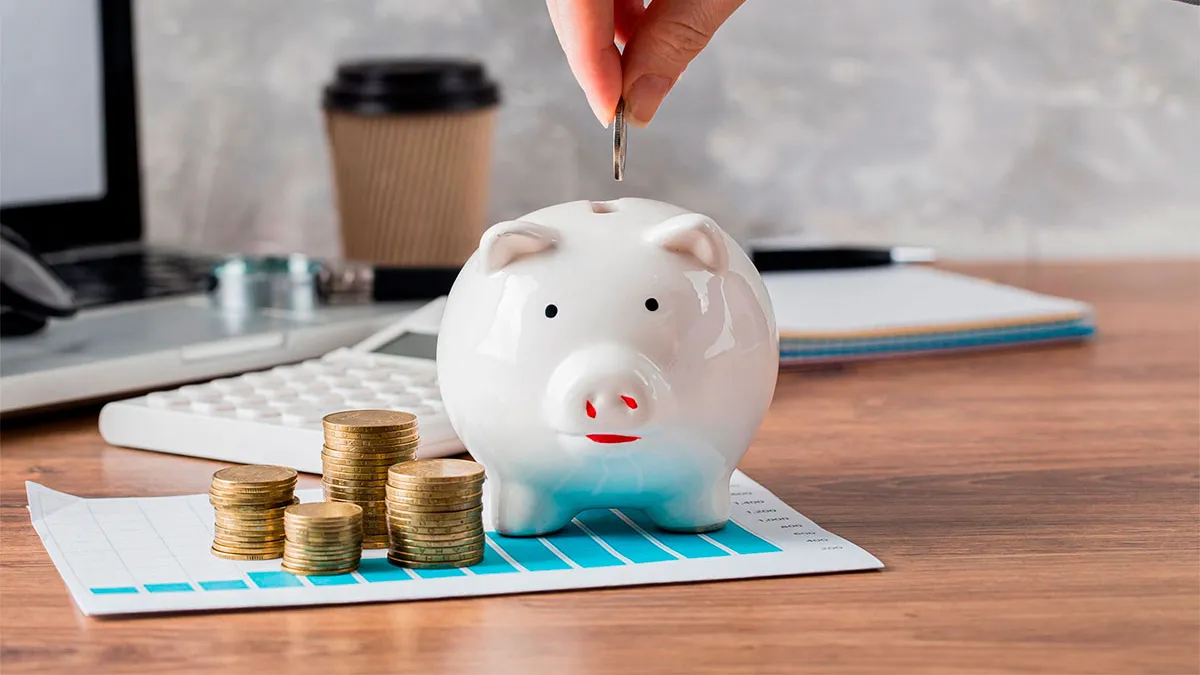
The basic basket for lower-income households went from RD$20,418.15 to RD$29,608.08 in six years. Even so, you can save with the same salary.
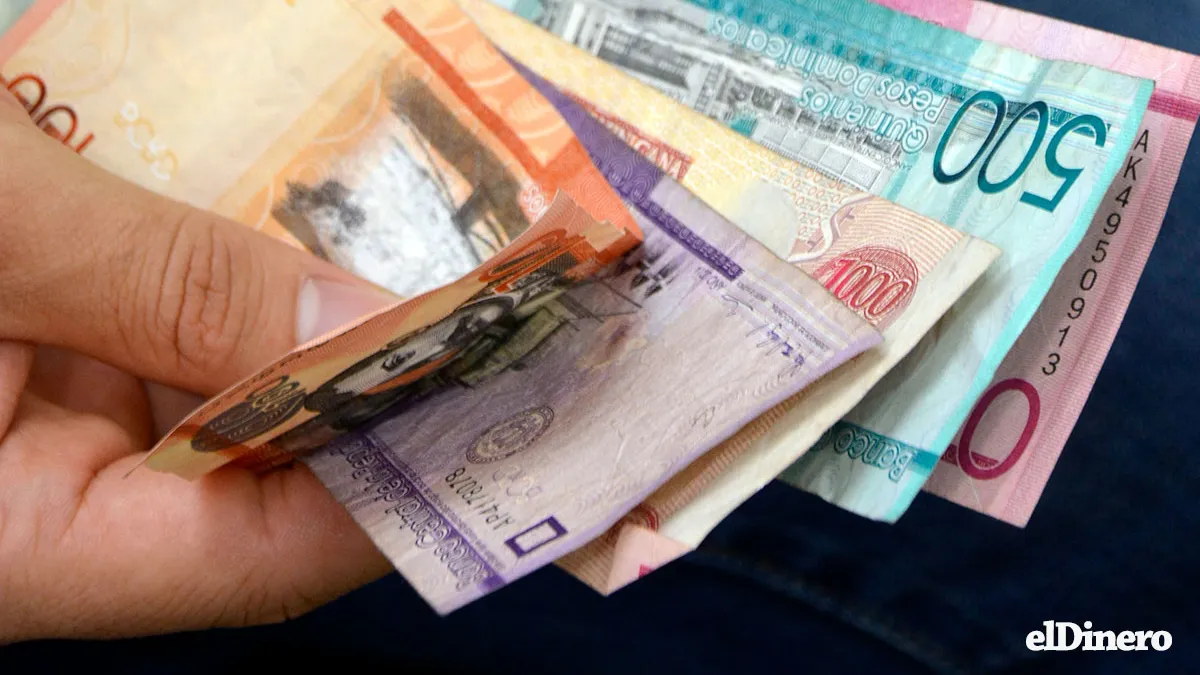
The emergency fund should cover three to six months of fixed expenses. With a concrete example: RD$40,000 in expenses requires at least RD$120,000 saved.
Learn how to organize your income and separate essential spending, leisure and savings with the 50/30/20 financial rule.