2026 Games: economic impact and 300,000 visitors
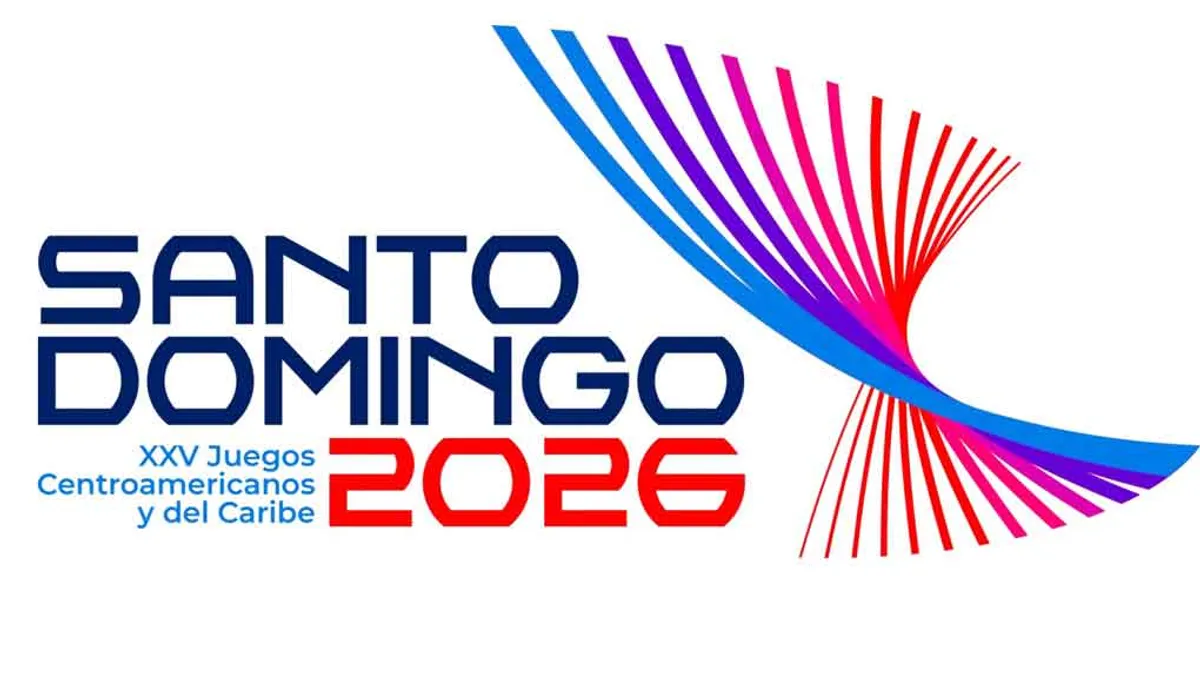 Foto: Prensa-latina
The Santo Domingo 2026 Central American and Caribbean Games are not won only on the track. The country invested about US$160 million to upgrade 16 sports facilities, expects up to 300,000 visitors, and projects its image before an audience of 280 million people in 37 countries.
The question economists are already asking: is this a one-week party or the start of an industry?
The numbers of the bet
- US$160 million in infrastructure to host 40 disciplines and 483 events.
- 300,000 visitors projected by Asonahores, including athletes, delegations and fans.
- 100,000+ additional tourists estimated by the Ministry of Tourism during the competitions alone.
- 280 million potential viewers across the 37 participating countries.
The effect is already felt: high hotel occupancy, platforms like Airbnb moving in Naco, Piantini and the Colonial Zone, and sectors such as gastronomy, transportation and construction receiving orders.
Sports tourism: the long-term bet
For economist Huáscar Jiménez, of Cetdel, the real gold of these Games does not hang from athletes’ necks: it is the chance to position the country in sports tourism, a segment that moves more than US$1.3 trillion globally and represents about 10% of world tourism spending.
Specialist Juan Lladó adds the warning: without diversified infrastructure and promotion of the sports the country can offer, the sector will not take off.
The test of the coming years
The real test is not the medal table but what happens to the stadiums once competitions end. The government has already converted the Ciudad Juan Bosch Olympic Village into a low-cost housing project — an example cited as a success. The pending challenge is giving permanent use to the rest of the facilities with sustainable management models that generate income and jobs recurrently.
The key figure
US$160 million invested. The return is not measured in medals or the two weeks of August: it will be measured in whether Santo Domingo manages to turn sport and tourism into a permanent marriage.