Earthquake in Colombia: death toll rises to 169 with more than 900 injured
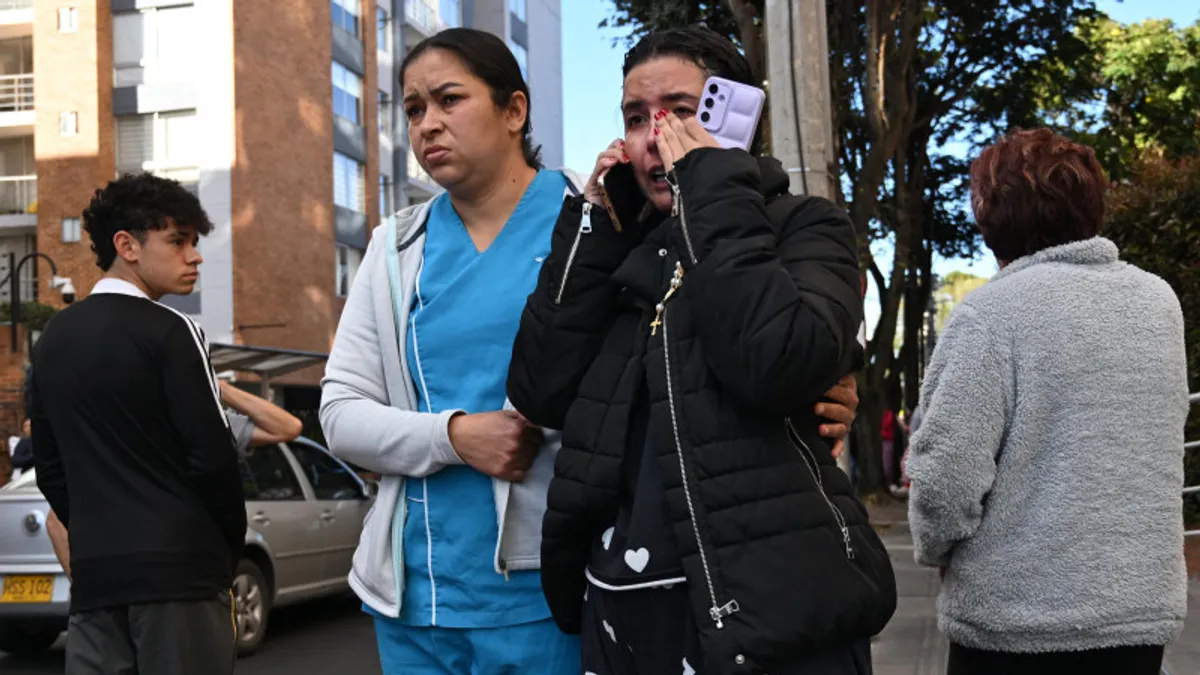 Foto: Listín Diario
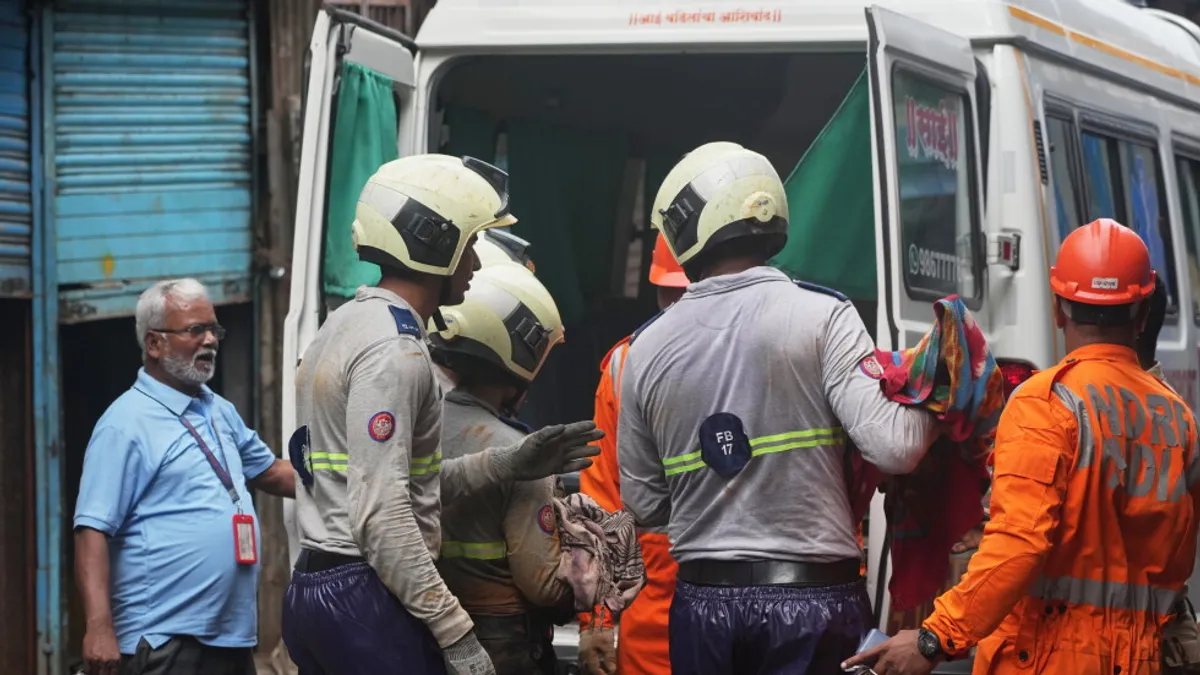
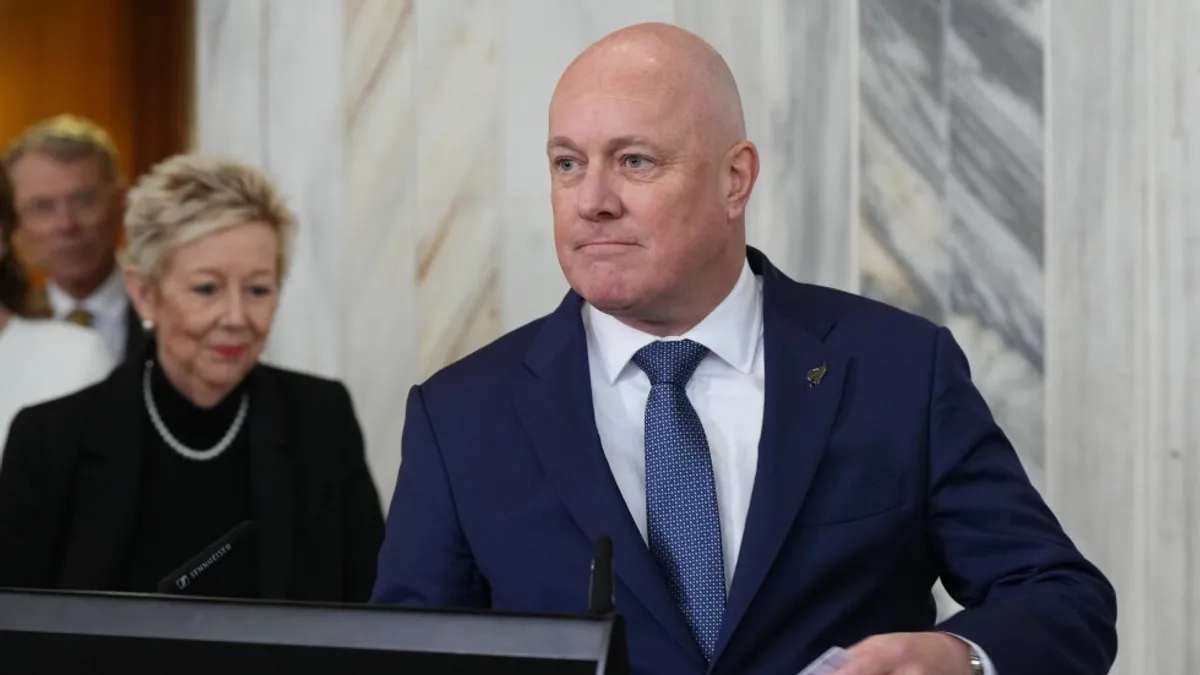
Update (August 11, 1:00 p.m. GMT): the official balance rose to 169 dead and more than 900 injured, according to BBC’s live report. President Abelardo De la Espriella declared a national disaster as rescue teams search for survivors under the rubble. Thousands of Colombians spent the night outdoors after the 7.4-magnitude quake, the strongest in a decade.
Update (August 10, 1:30 p.m. GMT): the president raised the balance to 111 dead and 87 injured, with 61 collapsed buildings, and declared a national emergency. Civil Aeronautics confirmed that more than 10 airports were affected and 7 suspended operations.
A 7.4-magnitude earthquake shook Colombia on the morning of Monday, August 10. The movement, with its epicenter in the municipality of San José del Palmar, in the department of Chocó, was felt strongly in Bogotá, Medellín, Cali, Manizales and much of the Coffee Region.
Epicenter and time of the quake
The Colombian Geological Service (SGC) initially reported a preliminary magnitude of 6.6 and later updated it to 7.4 in its bulletins. The quake occurred at 7:34 a.m. (local time) at a depth of about 96 kilometers.
The movement was perceived as strong and prolonged in several regions: the Coffee Region, Antioquia, Valle del Cauca and the capital felt the tremor, and evacuation protocols were activated in several high-rise buildings in Bogotá.
Damage and impact
The first authorities reported injured people and structural damage in areas near the epicenter and in the Coffee Region:
- In Manizales, damage was recorded in buildings and on the facade of the Metropolitan Basilica Cathedral.
- In Quibdó (Chocó), partial collapses of structures were reported.
- In Cali, damage was recorded in several buildings.
- The Medellín Metro temporarily suspended service as a preventive measure, and in Bogotá inspections of buildings began.
No tsunami alert
The Dimar, Colombia’s maritime authority, completely ruled out any tsunami threat for the Pacific coast after the movement, even though the epicenter was located in an area near that region.
Colombia’s president and emergency agencies asked citizens to remain calm and follow safety protocols while the authorities assess the damage in the most affected areas. This is a developing report; it will be updated as new information arrives.