Emergency fund: how much to save and how to start today
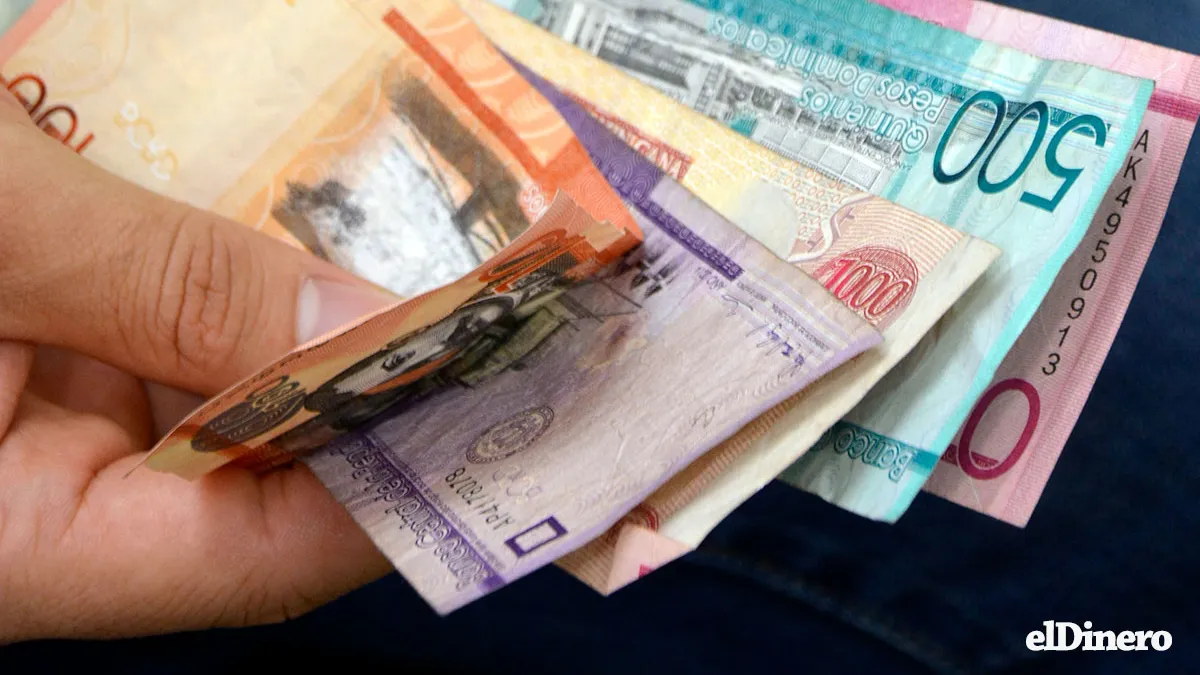 Imagen: elDinero
The emergency fund is the reserve that covers three to six months of fixed expenses, kept aside, preferably in a separate account from the one used daily. An unexpected event — illness, home repairs, job loss — should not push anyone to borrow in a hurry.
How much money is needed
The practical rule is simple: if essential monthly expenses are RD$40,000, the fund should be at least RD$120,000. To reach that amount you can save RD$5,000 every month for 24 months, or set aside a fixed percentage of your usual savings: of RD$5,000 monthly, about RD$1,500 goes to the fund.
In a household, it is recommended to have a single financial cushion covering the needs of all family members, rather than several small accounts no one manages.
What to do and what to avoid
The most common mistakes when using this reserve are three: spending it on non-urgent purchases, not replenishing it after use and relying on it too much. The fund is a bridge for real emergencies, not a travel fund or a consolation prize for the end of the month.
To make it work, the ideal is to build it methodically: make a budget that reveals where to cut expenses, automate a monthly transfer to the separate account and, if possible, seek extra income to speed up the process.
Where to keep the money
The fund can yield returns, but with one condition: investments must be safe and liquid, meaning the money is available without losing value when withdrawn early. Recommended options include high-yield savings accounts, treasury bonds, exchange-traded funds and short-term mutual funds. The local stock market is also an alternative to generate returns, always comparing products before deciding.
The practical takeaway
Nobody builds this reserve overnight, and it is not necessary: monthly discipline is worth more than the initial amount. Starting today with an automatic transfer, even a small one, is the first step so the next setback is an inconvenience and not a financial crisis.