Frozen salary and rising costs: keys to saving anyway
 Imagen: elDinero
The basic basket for lower-income households went from RD$20,418.15 to RD$29,608.08 in six years, an increase of RD$9,189.93 per month, while many salaries remain frozen. Even so, personal finance specialists agree that saving with the same income is possible: the key is in habits, not amounts.
The budget is the starting point
Knowing exactly how much comes in and where every peso goes is the first step. Recording income and expenses reveals the money leaks that go unnoticed: daily snacks, extra transportation, streaming platforms or impulse purchases. Each expense seems small on its own, but together it weighs at the end of the month.
Pay yourself first
The most frequent mistake is trying to save only what is left after paying everything. That surplus almost always disappears before unexpected events. That is why it is recommended to set aside part of the salary as soon as it arrives, whether it is RD$500 or RD$1,000. What matters is creating the habit and staying consistent.
Buy with strategy
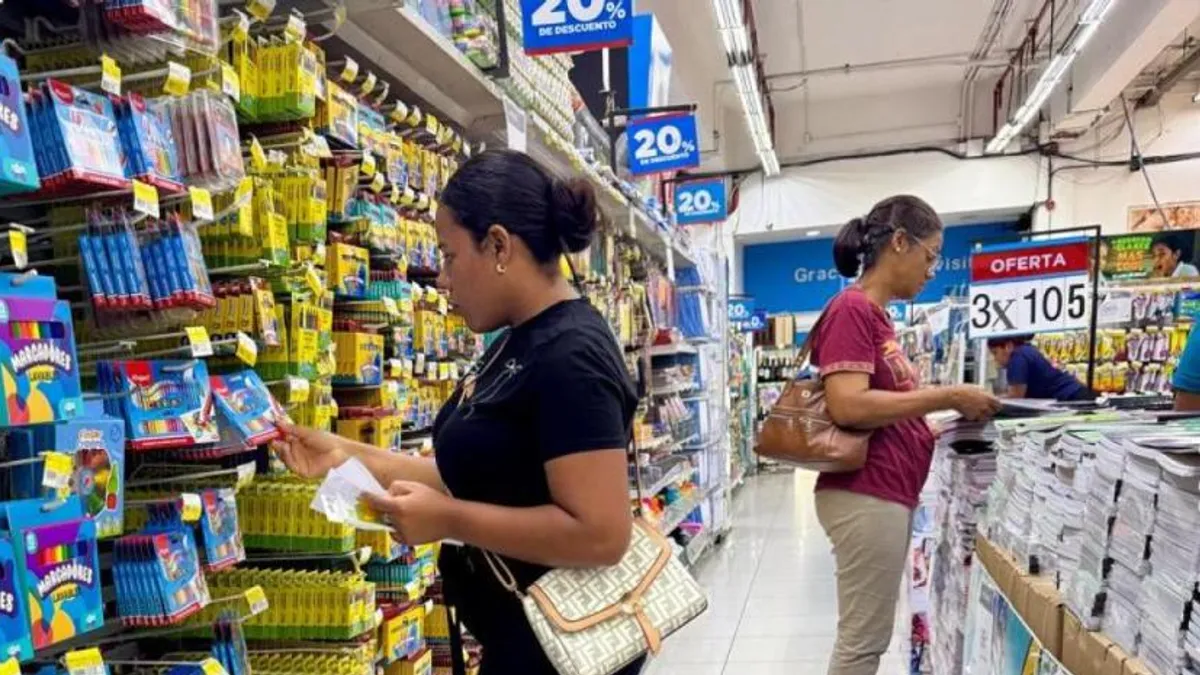
Taking advantage of offers smartly also frees up money: many supermarket chains hold discount days and some financial institutions offer rebates when paying with certain cards. But buying only because there is a promotion is unnecessary spending. Planning a weekly menu and a shopping list helps buy only what is needed and curb impulse purchases.
Review recurring expenses
Unused subscriptions, frequent meals out and impulse spending are a silent burden on the budget. The idea is not to eliminate entertainment, but to differentiate between real needs and wants and set priorities.
The practical takeaway
When the salary does not rise, the only available lever is spending. Saving does not depend on how much you earn, but on how much you decide to set aside before spending. Starting with a small automatic transfer turns saving into a habit that withstands inflation.