Home energy savings: what to do amid the heat wave
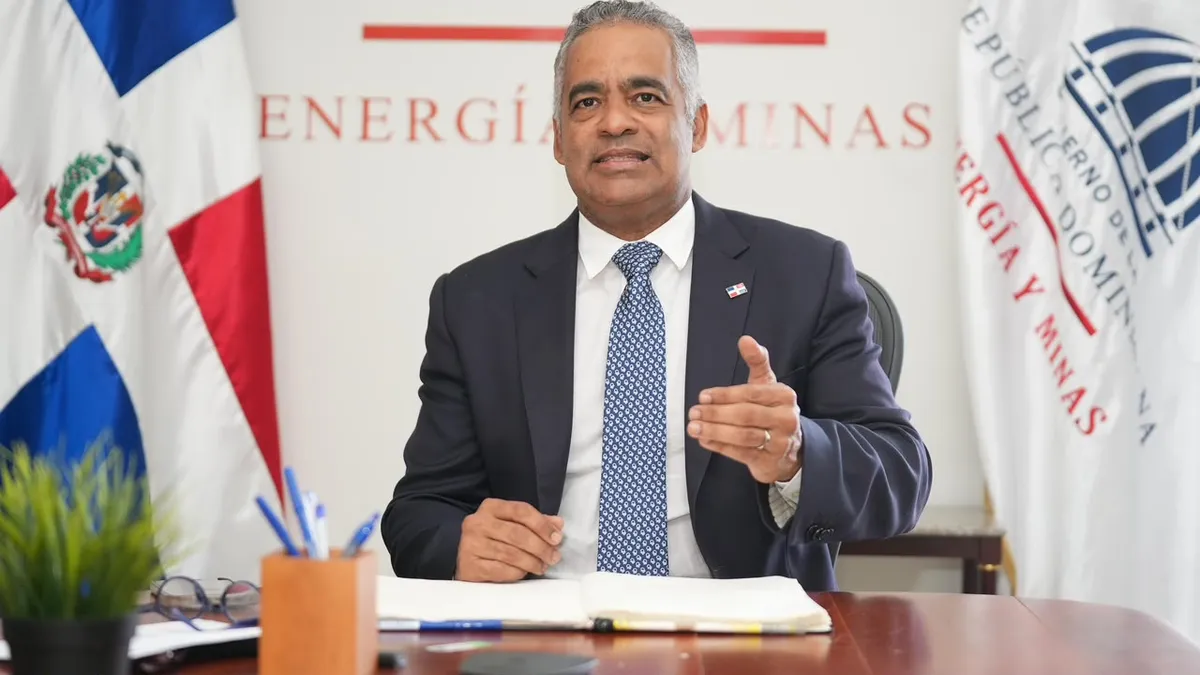 Imagen: elDinero
With six electricity demand records in July — the latest at 4,330 megawatts — and heat indexes of up to 48 degrees in Greater Santo Domingo, saving energy at home has become urgent. The Minister of Energy and Mines, Joel Santos, called on the population to use electricity more efficiently: small actions at home reduce pressure on the system and the amount of the bill.
Adjust the air conditioner
Air conditioning is the biggest energy consumer in Dominican homes. Keeping it between 23 and 24 degrees Celsius is enough to cool without skyrocketing consumption. Each degree less represents a significant increase in monthly electricity spending.
Turn off and unplug what is not used
Lights on in empty rooms and chargers left plugged in without use are silent energy leaks. The recommendation is simple: turn off lights and equipment when not in use and unplug devices that keep consuming in standby mode.
Take advantage of daylight and stagger usage
During the day, natural lighting can replace lamps without effort. Also, it is worth avoiding the simultaneous use of high-consumption appliances during peak demand hours: ironing or running the washing machine at peak times multiplies pressure on the grid. Scheduling these tasks outside that window helps the system and, in many cases, takes advantage of lower rates.
Why this effort matters
The Government already applies mandatory measures in public institutions through the Government Energy Efficiency Plan, and Congress still has to pass the Energy Efficiency Law. But responsible consumption begins in every home: although temperatures force the use of cooling equipment, using it efficiently keeps comfort without punishing the wallet or the power grid.
The practical takeaway
Facing the heat, the goal is not to stop using the AC: it is to use it wisely. Adjusting the temperature, turning off what is not used and staggering appliances are three habits that show up on the next bill and help electricity reach everyone.