Pension funds: why withdrawing the 30% affects your pension
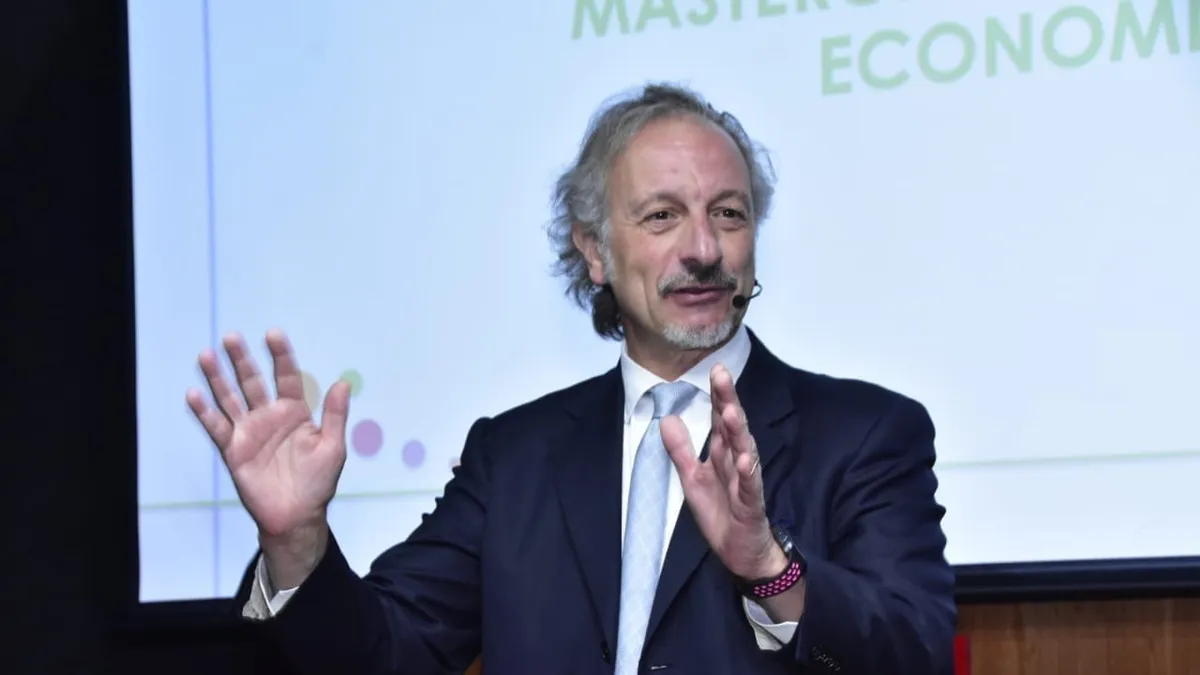 Imagen: elDinero
Withdrawing 30% of pension fund assets would mean working on average three more years to access the same retirement pension, pension specialists warn. The proposal reappears in every economic crisis and sounds attractive — money in your pocket today — but it has a hidden cost.
Where the pension comes from
The pension depends on the worker’s individual account: if the salary is not significant, neither will the pension be. And the system is young — it is 17 years old in the country — so accumulated funds are still limited. According to the Dominican Association of Pension Fund Administrators (ADAFP), 30% of pension fund assets exceeds RD$150 billion, between 4% and 5% of the country’s gross domestic product.
Who would lose
Informal workers, about 60% of the Dominican workforce, do not contribute to pension funds: they would not see a peso of that withdrawal. Those who do contribute are about 1.9 million people, and taking out part of their funds would directly reduce their final pension amount. Experts summarize it bluntly: “it is like telling people: pay for the crisis yourselves.”
The role of returns
The Dominican pension system has the highest returns in Latin America, and that matters more than it seems: at retirement, about half of the pension comes from returns generated by the fund’s investments, and the other half from company and worker contributions. Draining part of the account now means giving up the compounded growth of that money for decades.
The practical takeaway
Pension savings are not an emergency fund: they are the basis of the future pension. Before supporting a partial withdrawal, it is worth calculating how many extra working years it implies. Whoever wants a cushion for unexpected events builds it separately, and whoever has doubts about their fund can request their account statement and review their administrator’s historical returns.