Gaza enters phase two of the peace plan
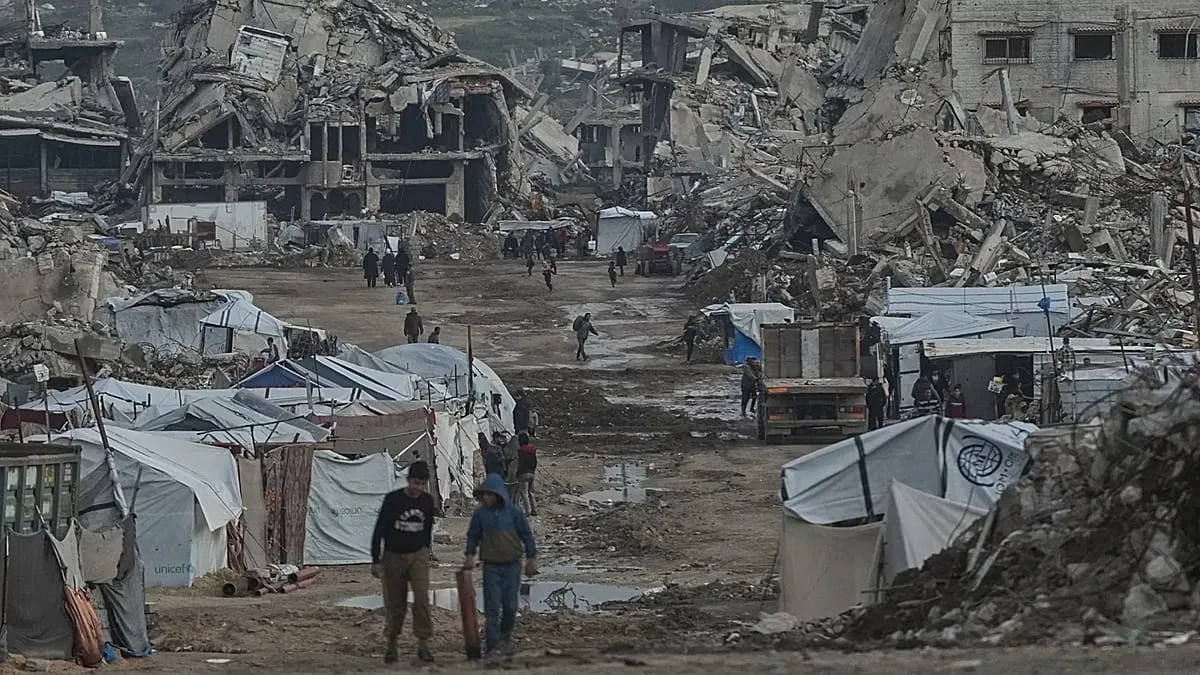 Imagen: Euronews
The United States announced the start of the second phase of the 20-point peace plan for Gaza, moving from the ceasefire to demilitarization, technocratic government and the reconstruction of the territory devastated by two years of war between Israel and Hamas.
What the plan says
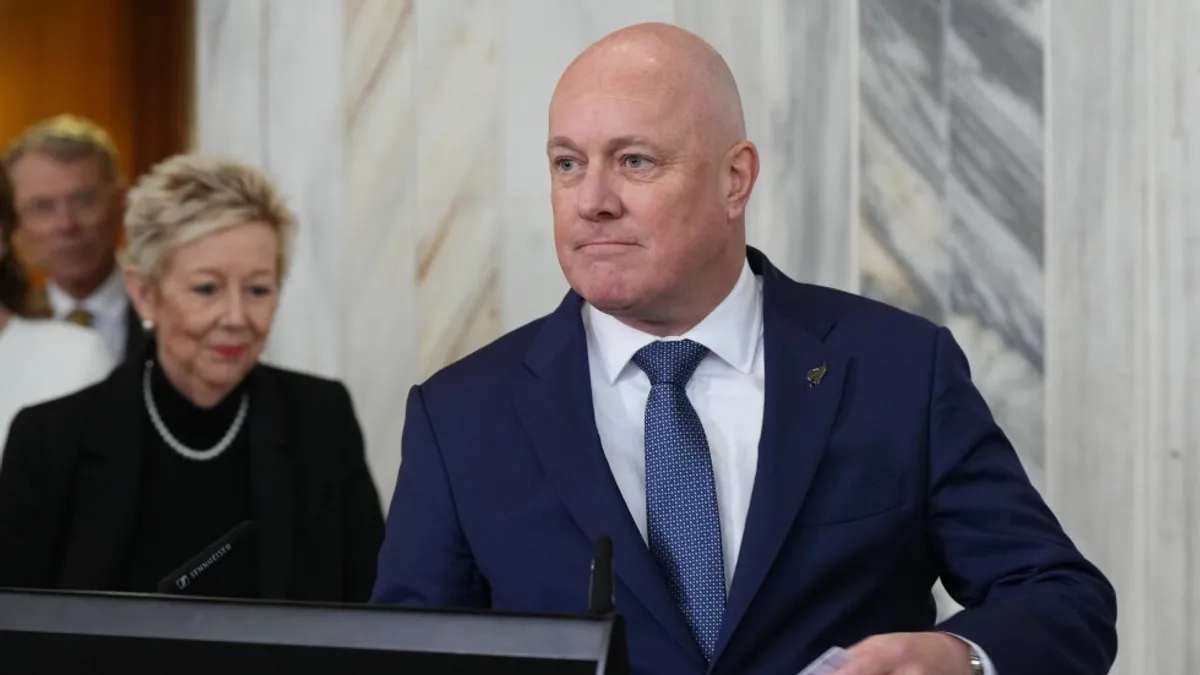
President Trump’s envoy, Steve Witkoff, confirmed on his X account that the agreement was entering its second phase after two years of conflict. The stage includes the disarmament of Hamas, the reconstruction of the Strip and the creation of a committee of Palestinian experts that will manage everyday affairs under US supervision. The ceasefire mediators — Egypt, Turkey and Qatar — reported that the committee will be led by Ali Shaath, former Palestinian deputy minister and engineer specializing in economic development.
The cost of rebuilding
The United Nations estimates that rebuilding the Strip will cost more than US$50 billion (€42 billion), a process that will take years and for which little money has been pledged so far. The technocratic committee must provide public services to Gaza’s more than two million Palestinians, in a territory Hamas had governed for 18 years.
The challenges ahead
The announcement is a key step, but the challenges are enormous: deploying an international security force to oversee the agreement and the difficult process of disarming Hamas remain unresolved. In the first phase, Hamas released all but one of the hostages it held, in exchange for hundreds of Palestinians held in Israeli prisons.
The practical takeaway
The 20-point plan, which took effect in October and ended much of the fighting, turns the ceasefire into a long-haul political process. The question defining its success is not how many papers are signed, but whether disarmament and reconstruction will reach the more than two million people waiting for basic services after nearly two decades of conflict.