The EU prepares for new US tariffs
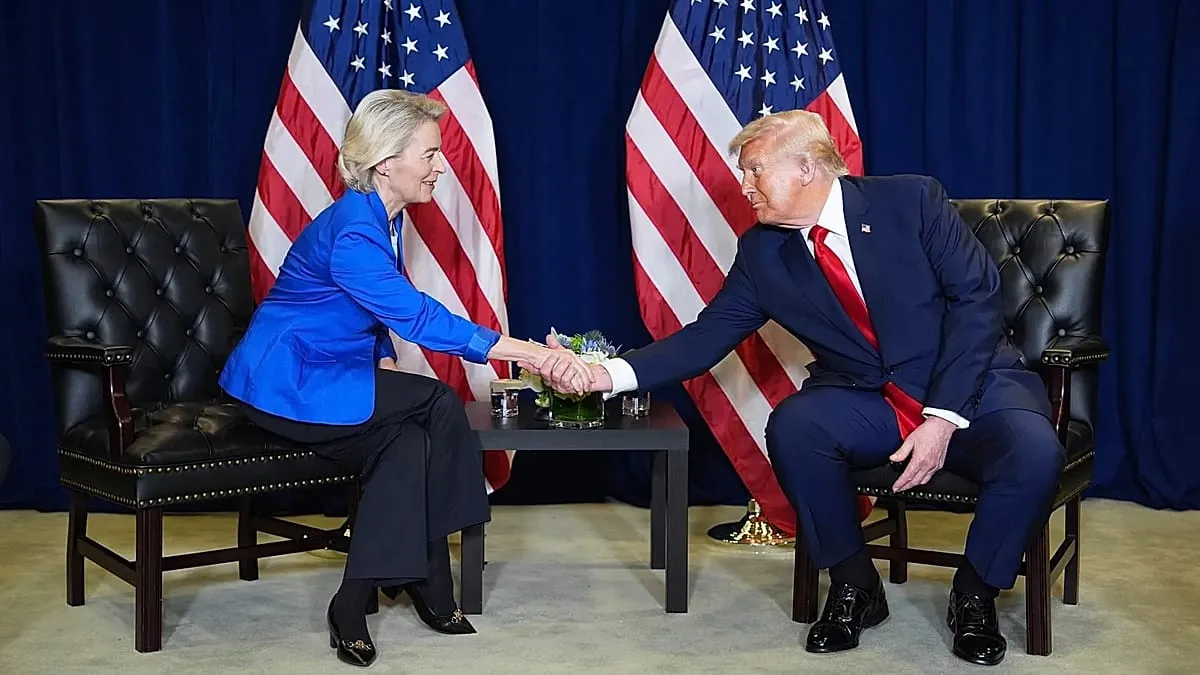 Imagen: Euronews
The European Union is preparing to take on the new tariffs the United States plans to impose over the use of forced labor, as long as they do not exceed the 15% cap agreed in the Turnberry trade pact, according to the European Commission. Brussels considers the duties “unjustified” but prioritizes stability for its companies.
The context of the new regime
The current US tariff regime expires this Friday, and the US Trade Representative, Jamieson Greer, indicated that the application of forced-labor-related tariffs is imminent. The Commerce Department opened an investigation under Section 301 of the Trade Act of 1974 into forced labor in global supply chains, which should conclude in the coming days.
The Turnberry limit
The White House announced in June that it would impose new duties on its trading partners over the lack of efforts to curb trade in goods produced with forced labor. The agreement signed in July 2025 in Turnberry, Scotland, between Trump and Commission President Ursula von der Leyen limits US tariffs on European products to 15%. In February, Washington already imposed 10% duties after a Supreme Court ruling declared the 2025 tariffs illegal.
Brussels’ position
Brussels made clear it does not share the conclusions on forced labor, but its main goal is “to ensure the agreement is respected and that European companies can benefit from the stability and predictability” established then, according to a senior EU official. The Commission argues it has strict rules against products made with forced labor.
The practical takeaway
The transatlantic trade war is not a European problem: every additional tariff makes world trade more expensive and reinforces the price and currency volatility that ends up reaching economies like the Dominican one. Brussels’ decision to accept the 15% cap instead of escalating the confrontation is a bet on predictability: a sign that, in global trade, sometimes the best outcome is the imperfect agreement.