Health alert in the DR: leptospirosis up 190% and whooping cough up 582% in a year
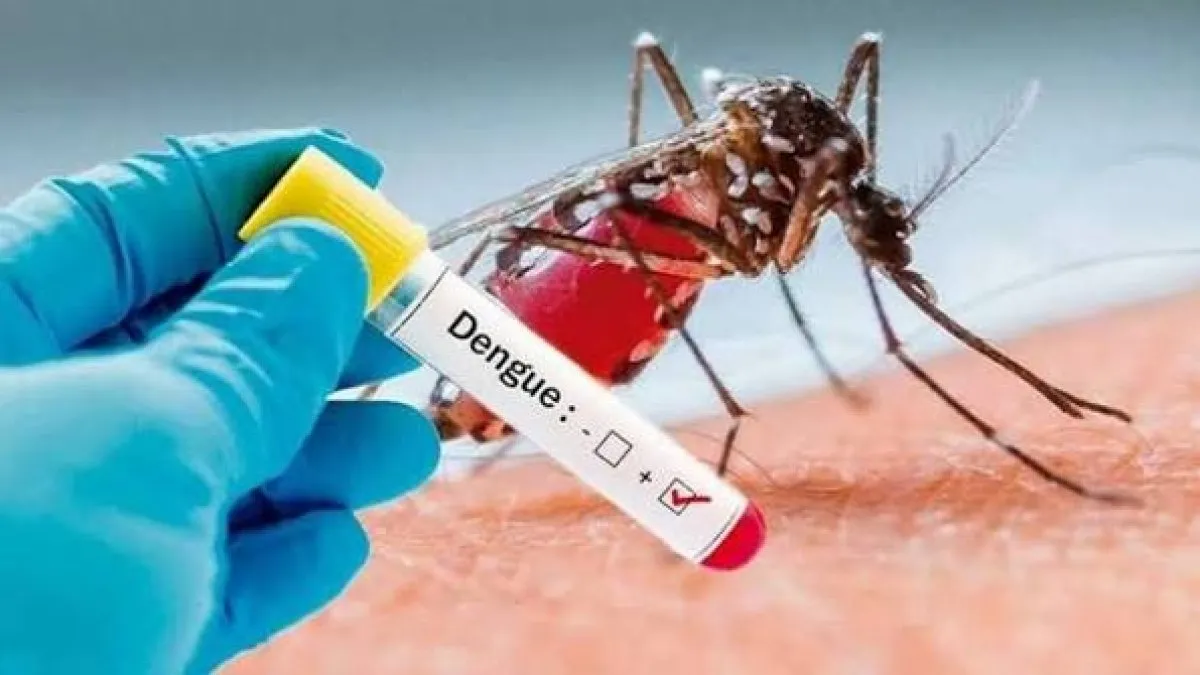 Photo: El Nacional
Cases of leptospirosis, dengue and whooping cough multiplied in the Dominican Republic compared to the same period in 2025, according to the latest epidemiological bulletin from the Ministry of Public Health, released on August 11, 2026. Leptospirosis rose 190% and whooping cough 582%.
What the bulletin says
The ministry’s weekly report, covering the first week of August, records 253 leptospirosis cases versus 85 last year (a 190% increase) and a jump from 1 to 7 whooping cough cases (582% more). Dengue, meanwhile, is up 20% compared to the same date in 2025.
The newspaper Hoy reported on August 12 that the country has already recorded 17 leptospirosis deaths in 2026 and just one from dengue, confirming that the disease transmitted through rat and dog urine is the one claiming the most lives.
Why the numbers are climbing
Leptospirosis is spread through water or soil contaminated with animal urine, and its historic peak comes after rains and floods, when standing water becomes a breeding ground for infection. The Health Ministry insists most cases are linked to exposure in rural areas and unprotected farm work.
Dengue, for its part, remains the classic seasonal threat: 11 infections in just seven days as of El Día’s August 9 report, with active transmission in several provinces.
What authorities recommend
Public Health urged people to eliminate mosquito breeding sites (standing water in containers, tires and flower pots), use repellent and wear clothing that covers arms and legs, and see a doctor for fever, muscle or headaches instead of self-medicating.
For leptospirosis, the central advice is to avoid walking barefoot or bathing in standing water after downpours, and to protect those who work in the countryside or handle animals. In case of high fever after a flood, early consultation is decisive: treated in time, the disease has a good prognosis.
What it means for the country
The surge comes in the middle of the rainy season and in an election year in which public health management is under scrutiny. The bulletin’s numbers reflect not only how the diseases behave, but also the system’s capacity to detect and report each case.
The figures also fuel the debate over investment in prevention: fumigation campaigns, vector control and community education are the tools that have historically curbed these outbreaks in the Caribbean.
The key figure
190%. That is how much leptospirosis cases grew in a year. If you live near flood-prone areas, the rule is simple: standing water, shoes on, and a fever that won’t break — straight to the doctor.